
Key Takeaways
- 1Tinnitus isn\'t louder at night—your environment is quieter, making it more noticeable
- 250-70% of tinnitus sufferers report sleep problems—you\'re not alone
- 3Sound therapy with sleep timers is the most effective immediate solution
- 4Best sounds: rain, ocean waves, white/pink noise, or notched therapy sounds
- 5Habituation through notch therapy can provide lasting improvement
Why Tinnitus is Worse at Night
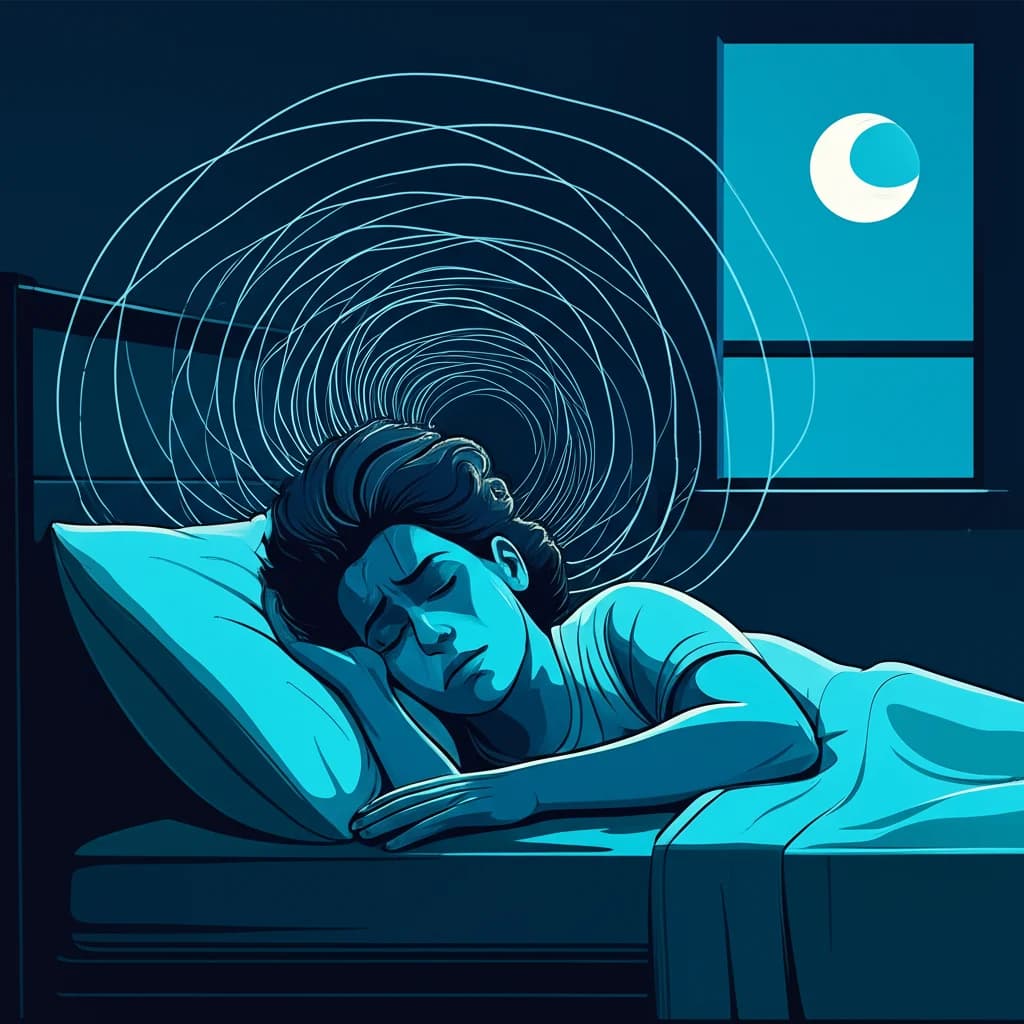
Your tinnitus isn't actually getting louder at night—your environment is getting quieter. With less background noise to mask the internal sound, your brain becomes hyperaware of the ringing.
If you've ever noticed your tinnitus seems deafening when you're trying to fall asleep, you're experiencing what researchers call "the quiet room effect." During the day, ambient sounds—traffic, conversations, appliances—provide a masking effect that makes tinnitus less noticeable.
At night, when the world goes quiet, your brain searches for auditory input and latches onto the only sound available: your tinnitus. It's like turning up the gain on a microphone when the room goes silent.
The Science Behind Nighttime Tinnitus
According to the American Tinnitus Association, several factors contribute to increased tinnitus awareness at night:
Reduced Ambient Noise
Less external sound means less masking of your tinnitus signal.
Increased Attention
Without daytime distractions, your mind focuses more on internal sensations.
Fatigue Sensitivity
Tired brains have less capacity to filter out tinnitus signals.
Anxiety Loop
Worrying about sleep creates stress, which can temporarily worsen tinnitus perception.
Immediate Relief Strategies
When tinnitus is keeping you awake right now, try these approaches:
Sound Therapy
Play background sounds at a volume just below your tinnitus. This provides immediate masking without being disruptive. Learn more about sound therapy →
4-7-8 Breathing
Inhale for 4 seconds, hold for 7, exhale for 8. This activates your parasympathetic nervous system and reduces the anxiety-tinnitus loop.
Change Position
Sometimes lying on your back increases awareness. Try sleeping on your side or with your head slightly elevated.
Sound Therapy for Sleep
The most effective approach for nighttime tinnitus is sound therapy with a sleep timer:
Best Sounds for Nighttime Tinnitus
- ✓Rain sounds - Natural, non-intrusive masking
- ✓Ocean waves - Rhythmic and calming
- ✓Pink noise - Deeper than white noise, less harsh
- ✓Notched sounds - Therapeutic + masking combined
Earpeace includes sleep-optimized sounds with timers that fade out gradually over 30+ seconds to avoid sudden silence.
Creating a Sleep Routine
A consistent routine signals your brain that it's time to sleep, reducing tinnitus-related anxiety:
- ✓Same bedtime every night
- ✓No screens 1 hour before bed
- ✓Start sound therapy 15 min before sleep
- ✓Cool, dark room (65-68°F ideal)
Frequently Asked Questions
Why does my tinnitus get louder at night?+
What are the best sounds for sleeping with tinnitus?+
How can I stop tinnitus from keeping me awake?+
Is it normal for tinnitus to affect sleep?+
Will I ever sleep normally again with tinnitus?+
Sleep Better Tonight
Get sleep-optimized sound therapy with gradual fade-out timers. Available now on the App Store.
Download Now4.8★ rating on the App Store